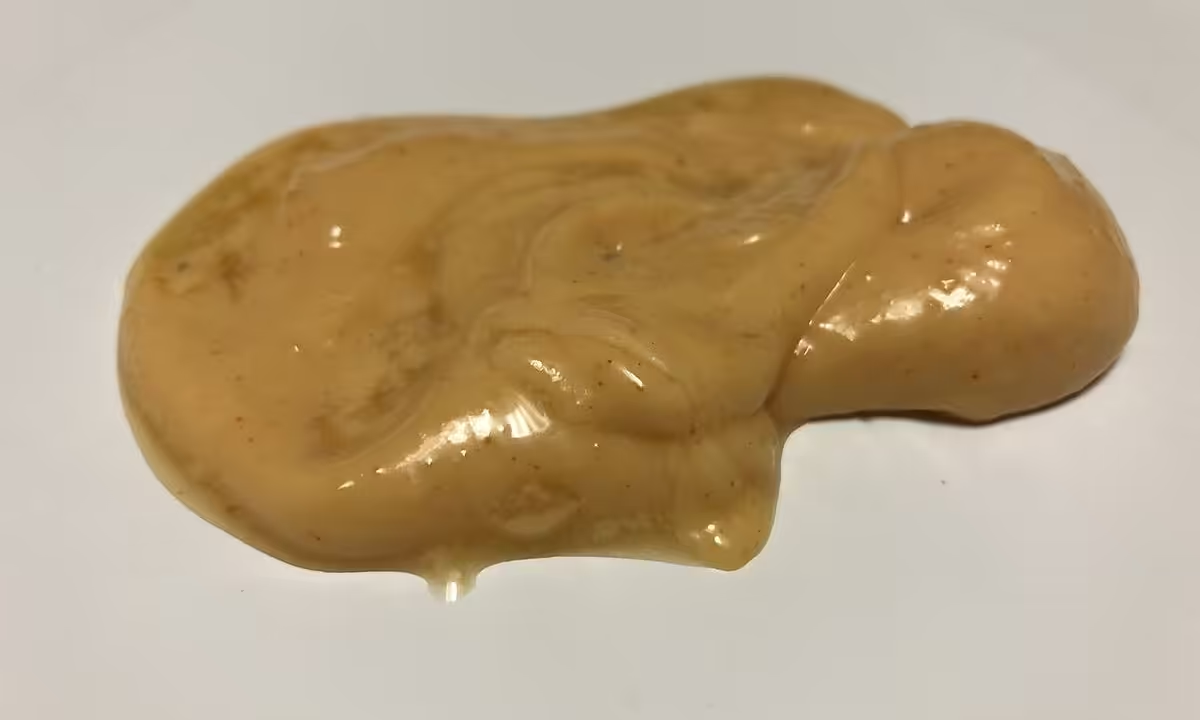
Can You Freeze Gravy?
Make-ahead gravy is the smartest Thanksgiving move there is, and the freezer agrees. Drippings-based gravy freezes and reheats with only a little fuzziness at the edges — a whisk or a quick blend brings back the gloss.
Also called: turkey gravy · pan gravy · brown gravy · drippings gravy
Yes — gravy freezes well for about 2 months; whisk it vigorously or blend when reheating to restore the smooth body.
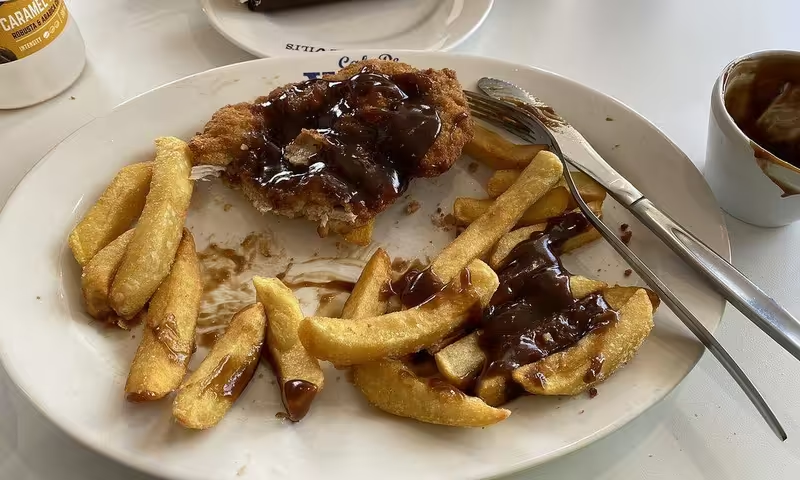
Freezing gravy the right way
Freeze gravy in 1–2 cup portions in flat bags or jars with headroom. Reheat gently and whisk hard; a ten-second immersion blend erases any graininess completely.
Before it goes in
- Cool the gravy to room temperature, skimming off excess fat if a thick cap formed.
- Portion into 1-cup amounts — most table servings run about half a cup per person.
- Fill jars two-thirds full, or press bags flat for fast, even thawing.
- Label with the date and the bird — turkey and beef gravy look identical frozen.
Containers & wrapping
Freezer jars or rigid containers with an inch of headroom, or flat freezer bags. Gravy expands like any liquid, and jars filled to the brim crack.
Freezer storage
2 months
The starch thickener is what fades — gravy thins and turns slightly pasty over time. Flour-thickened gravy reheats a touch better than cornstarch-thickened.
Keep the freezer at 0 °F / -18 °C and safety stops being a question for gravy. What the calendar measures is quality: past its window it is safe, only a step further from fresh.
The thaw that suits gravy
Refrigerator-thaw overnight, or drop the frozen block into a saucepan over low heat and let it melt into the pan. Whisk often as it warms.
Can gravy be thawed and refrozen if you are careful?
Only if it thawed in the refrigerator and was reheated to a simmer — and even then just once. Graininess deepens on a second cycle.
Texture & flavor changes
Thawed gravy can look curdled or separated, with a thin layer of fat on top. Vigorous whisking usually restores it; stubborn batches go smooth after ten seconds with an immersion blender.
Best uses after thawing
Where thawed gravy shines:
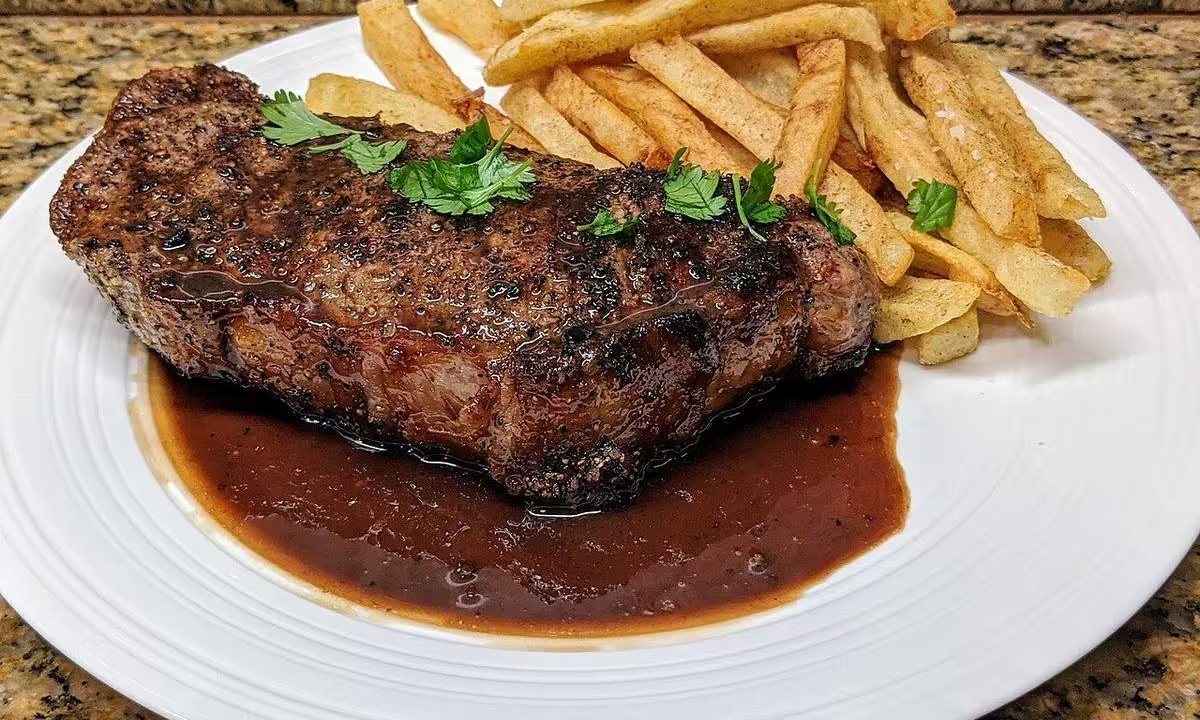
- Mashed potato topping
- Turkey plates
- Poutine
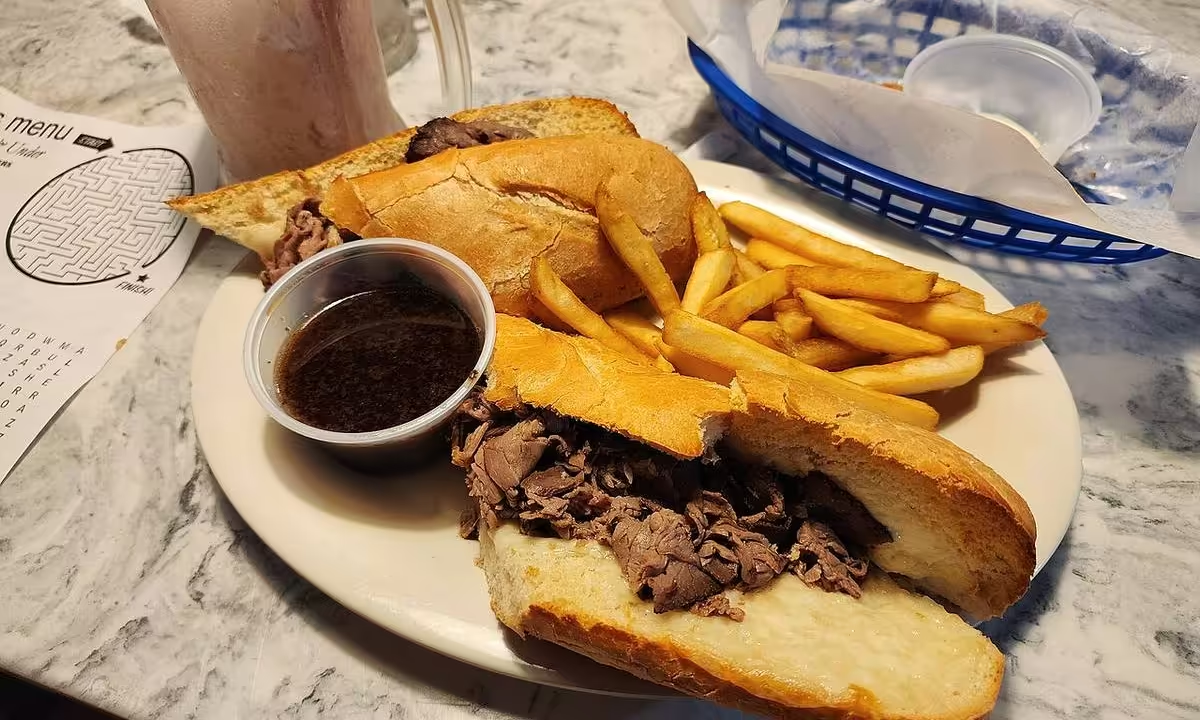
- Hot sandwiches
- Shepherd's pie
Which version do you have?
Freeze a plain make-ahead stock gravy before the holiday, then deglaze the roasting pan on the day and combine the two. The finished blend tastes fresh-made with a fraction of the morning's work.
Caveats worth knowing
- Skim most of the fat before freezing — a thick fat cap slows thawing and turns waxy in the bag.
- Cornstarch-thickened gravy can turn slimy after freezing; flour-thickened batches hold up noticeably better.
- Never freeze gravy that had cream or milk stirred in at the end — add dairy fresh when reheating.
Gravy: questions about the freezer
Can you make gravy ahead and freeze it?
Yes — make-ahead frozen gravy is standard practice for big holiday meals. Freeze it up to two months ahead, thaw overnight in the refrigerator, and reheat with whisking. Deglaze the roasting pan separately and stir those fresh drippings in for depth.
How long can you freeze gravy?
About two months for best quality. It stays safe while frozen solid, but the starch body thins and the flavor dulls the longer it sits — plan holiday gravy no more than a few weeks ahead for best texture.
Why is my frozen gravy grainy?
Freezing and thawing disturb the starch suspension that thickens gravy, and fat separates out on top. Whisk vigorously over medium-low heat, or run an immersion blender through for ten seconds — the gloss comes back almost every time.
Related foods