Can You Freeze Cottage Cheese?
Cottage cheese is mostly water held around tender curds, and the freezer redistributes that balance. Thawed, the curds turn firmer and squeaky while whey pools underneath — it drains off fine, but the fresh creamy scoop is gone for good.
Also called: large curd cottage cheese · small curd cottage cheese · 4% cottage cheese
Yes — cottage cheese freezes safely, but the curds firm up and weep, so plan on cooked dishes.
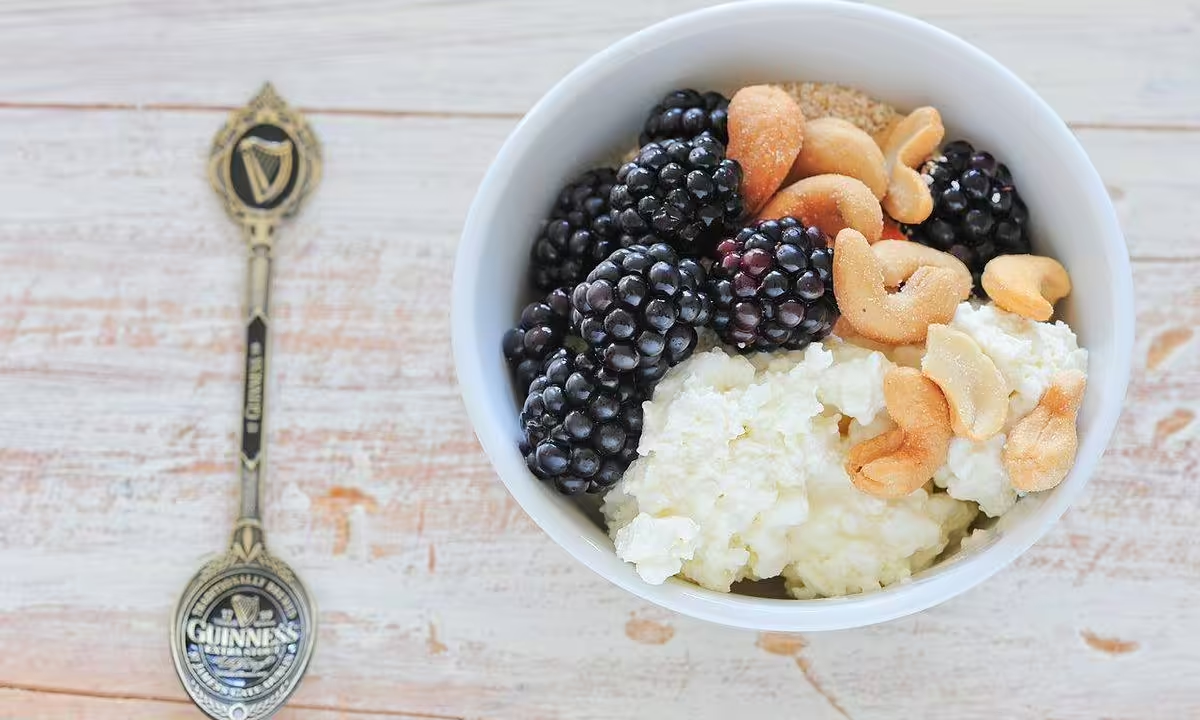
How to freeze cottage cheese without spoiling it
Freeze it drained and portioned — half-cup amounts in flat bags — so the whey that separates on thawing has already left the building. Reserve the fresh tub for eating with a spoon.
Before it goes in
- Drain the cottage cheese in a sieve for a few minutes to shed excess whey.
- Portion into half-cup amounts in freezer bags, pressing each flat.
- Squeeze out the air, seal, and label with the date and amount.
- Skip freezing the last spoonfuls of a tired tub — freeze only fresh cheese.
Containers & wrapping
Flat freezer bags or small rigid containers with headroom. If you freeze it in the original tub, press plastic wrap onto the surface first to limit air and ice.
Freezer storage
2 months
The curds toughen progressively; at two months they are noticeably rubbery. Plan on using frozen-thawed cottage cheese inside dishes, not as a standalone.
Freezer burn, drying and dulled flavor are quality problems with cottage cheese, not safety ones — anything solidly frozen at 0 °F / -18 °C is still fine to eat, just further from fresh.
How to thaw cottage cheese properly
Refrigerator-thaw overnight, then stir. Pour off the pooled whey or stir it into the dish you are cooking — lasagna and pancake batters welcome the moisture.
Is it safe to refreeze cottage cheese if you are careful?
Not recommended; the curds harden further each time. Freeze in single-recipe portions instead.
Texture & flavor changes
Thawed cottage cheese has firmer, almost squeaky curds sitting in separated whey. Stirred into lasagna, blended into pasta sauce, or hidden in pancake batter, it performs; topped with pineapple, it disappoints.
Best uses after thawing
Where thawed cottage cheese shines:
- Lasagna
- Pancakes and waffles
- Blended pasta sauces
- Protein smoothies
- Egg bakes
Caveats worth knowing
- Small-curd styles freeze slightly better than large-curd; the bigger the curd, the tougher it thaws.
- Do not expect the creamy standalone texture back — plan recipes where it is stirred, blended, or baked.
- Freeze only tubs that are still fresh; freezing cottage cheese on the edge of souring locks the flaw in.
Cottage Cheese: the freezing questions
Can you freeze cottage cheese for lasagna?
Yes — it is the classic freezer use. Drain it, mix it into the cheese filling, and assemble the lasagna. Some cooks freeze the filling right in the assembled dish; either way the texture change disappears behind the pasta and sauce.
How long can you freeze cottage cheese?
About two months for best quality. It remains safe while frozen solid, but the curds grow tougher and release more whey the longer it sits, so earlier is better for texture.
Can you freeze cottage cheese after opening?
Yes, if it is still fresh — drain, portion, and freeze within a day. An opened tub keeps only about a week in the refrigerator, so freezing the surplus you will not finish is often the smarter move.
Related foods