Can You Freeze Cooked Pasta?
Cooked pasta freezes honestly: it comes back safe and edible but a step softer, because starch keeps drinking up water even in the freezer. Cook it a minute shy of al dente, and the freezer lands it exactly where al dente would have been.
Also called: leftover pasta · frozen pasta · boiled pasta
Yes — cooked pasta freezes but returns slightly softer; freeze it underdone and let baked dishes absorb the difference.
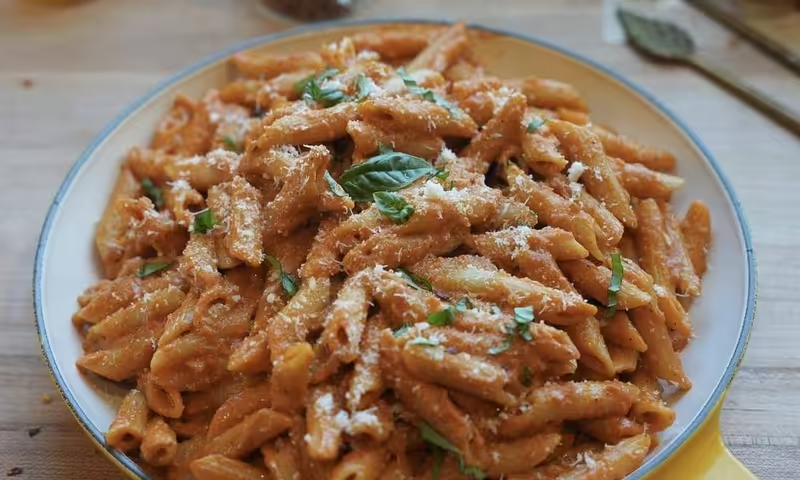
The best way to freeze cooked pasta
Pull the pasta a minute before al dente, toss with a little olive oil to stop sticking, and freeze flat in bags — or freeze it already sauced, which protects it best of all.
Before it goes in
- Boil one minute less than the package suggests — the freezer finishes the job.
- Drain and toss with a teaspoon of olive oil per serving to keep strands from welding together.
- Cool completely, then portion into flat bags or containers in meal sizes.
- For bakes, layer the slightly firm pasta straight into the dish with sauce and freeze assembled.
Containers & wrapping
Flat freezer bags for plain pasta; rigid containers or foil baking dishes for sauced. A drizzle of oil in the bag matters more than any brand of container.
Freezer storage
1–2 months
Pasta softens as it sits frozen — sooner is chewier. Shapes with ridges (rigatoni, fusilli) hold up better than smooth long strands.
Freezer burn, drying and dulled flavor are quality problems with cooked pasta, not safety ones — anything solidly frozen at 0 °F / -18 °C is still fine to eat, just further from fresh.
How to thaw cooked pasta for the best texture
Drop plain frozen pasta into boiling water for 30–60 seconds, or reheat sauced pasta covered on the stovetop or in the oven. Microwave works with a splash of water.
Is refreezing cooked pasta worth it safely?
Not recommended. Each cycle takes another bite out of the texture, and there is not much chew to spare.
Texture & flavor changes
Expect a softer, less springy bite and a tendency for strands to clump — broken up with a fork and bathed in sauce, it reads as comfort rather than flaw. In baked dishes the change is invisible.
Best uses after thawing
Where thawed cooked pasta shines:
- Lasagna
- Baked pasta bakes
- Soup (added at the end)
- Skillet reheats with sauce
- Casseroles
Which version is going in the freezer?
Sauced pasta freezes better — the sauce coats and cushions each piece, and reheating is one step. Plain pasta needs the oil toss and thaws best into boiling water or soup.
Caveats worth knowing
- Freeze it underdone; pasta cooked fully soft before freezing thaws into mush.
- Fresh egg pasta turns noticeably softer than dried — favor dried shapes for the freezer.
- Delicate long strands clump; a fork and a splash of pasta water at reheating untangle most of it.
Freezing cooked pasta: your questions
Can you freeze cooked pasta with sauce?
Yes, and it is the better method — sauce shields the pasta from ice damage and everything reheats together. Freeze in a rigid container or foil tray, thaw overnight in the refrigerator, and warm gently on the stove or in a 350 °F oven.
How long can you freeze cooked pasta?
One to two months for a good bite. It stays safe while solidly frozen, but the starch keeps softening over time, so the sooner it meets a baked dish, the better it eats.
Why did my frozen pasta turn mushy?
It went in fully cooked, or it thawed and sat. Pasta starch continues absorbing water in the freezer and again during reheating. Pull it a minute early, freeze fast, and reheat briefly — mushy pasta is almost always double-cooked pasta.
The details that decide it
Cream sauce and tomato sauce freeze very differently
A tomato sauce is acidic and stable, so pasta frozen in it comes back close to how it went in. A cream or Alfredo sauce is a dairy emulsion — fat held in water — and freezing breaks that emulsion, so the sauce separates, turns grainy and weeps water when it thaws. If you want to freeze pasta in a cream sauce, stiffen it first with a little flour or a spoon of mascarpone so it survives, or freeze the pasta plain and stir the cream sauce through fresh at the end.
- Tomato-based sauces freeze and reheat essentially unchanged.
- Cream and Alfredo sauces split because freezing breaks the emulsion.
- Stabilise a cream sauce with a little starch, or add it fresh after thawing.
Which pasta shapes survive the freezer best
Shape decides how neatly a portion comes back. Short ridged shapes — rigatoni, penne, fusilli, shells — fare best, because the ridges hold sauce and the hollow centres let steam reach the middle, so they reheat evenly and stay separate. Long smooth strands like spaghetti and linguine have no structure to catch sauce and seize into a single tangled block, so if you must freeze them, toss them in a little oil and pack them in flat, loose nests rather than one dense coil.
- Ridged short shapes reheat evenly and stay separate.
- Hollow centres let steam through, so they warm from the middle.
- Long strands clump — oil them and freeze them flat.
Pasta keeps cooking itself in a covered pot
Pasta keeps cooking itself in the warmth of a covered pot, which is exactly the mushiness to avoid. Spread the strands or shapes in a shallow layer, or run them under cold water and toss with oil. The faster the temperature drops, the less the pasta softens before the freezer even sees it.
- A covered pot keeps cooking the pasta — spread it out.
- A cold rinse and an oil toss speeds the cooling.
- A covered pot keeps cooking it, so cool it before you bag it.
Related foods