Can You Freeze Blue Cheese?
Blue cheese freezes with the confidence of a cheese that already survived mold on purpose. The Penicillium goes dormant, the crumble stays sharp, and the thawed cheese does its best work melted into dressings, dips, and a burger's worth of sauce.
Also called: gorgonzola · stilton · roquefort · blue cheese crumbles
Yes — blue cheese freezes well for dressings, sauces, and burgers; the mold goes dormant and the bite stays sharp.
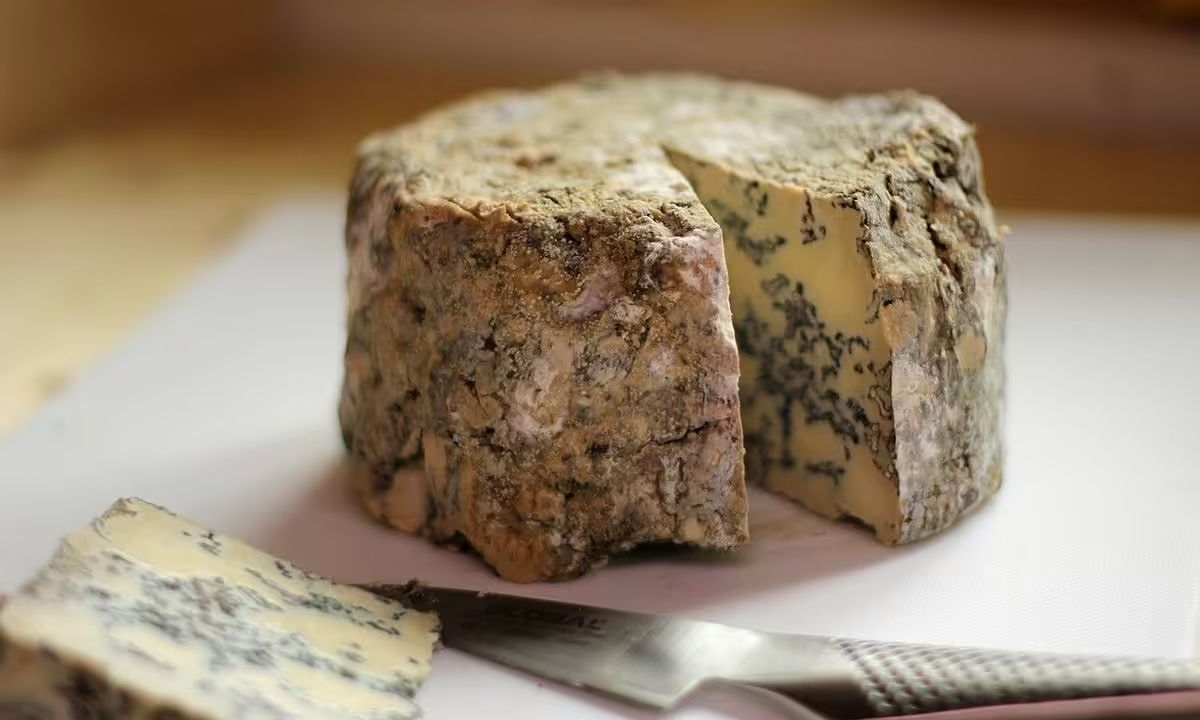
Freezing blue cheese the right way
Crumble it first and freeze the crumbles in a flat bag — they thaw quickly and portion cleanly. Wedges freeze well too, wrapped in parchment then foil; break them up once thawed.
Before it goes in
- Crumble the cheese into bite-sized pieces, or cut wedges into usable chunks.
- Spread crumbles on a lined tray and freeze briefly so they stay separate.
- Bag the frozen crumbles with the air pressed out, or wrap wedges in parchment plus foil.
- Label with the date and variety; stilton and gorgonzola look alike under frost.
Containers & wrapping
Parchment plus foil for wedges, freezer bags for crumbles. Blues are pungent — a double layer keeps both the odor in and other freezer smells out.
Freezer storage
2–3 months
The blue flavor stays assertive but the creamy veins dry out over time. Use older crumbles in sauces where cream softens everything.
Two temperatures, two meanings, on blue cheese: 0 °F / -18 °C keeps it safe indefinitely, while the 2–3 months window is where it still tastes like itself. Date the package and the two stay separate.
How to bring blue cheese back
Thaw crumbles in the refrigerator for an hour; they can go straight into dressings and hot sauces frozen. Wedges thaw overnight and crumble a little more easily than fresh.
Can you freeze blue cheese again after thawing safely?
Not recommended. Each freeze dries the paste and mutes the distinctive veins; crumble everything up front instead.
Texture & flavor changes
Thawed blue cheese is slightly more crumbly with drier edges, and the creamy veins lose a little gloss. In dressings, dips, and melted sauces it is indistinguishable; on a cheese board the paste reads a bit chalky.
Best uses after thawing
Where thawed blue cheese shines:
- Blue cheese dressing
- Buffalo sauce
- Burger topping
- Steak sauces
- Flatbreads
Caveats worth knowing
- Board-serving thawed blues lose their creamy center — keep a fresh wedge for the plate and freeze the cooking cheese.
- Freeze while the cheese still smells right; an already-ammoniated wedge will freeze exactly as unpleasant.
- Very creamy gorgonzola dolce separates more than firmer styles; expect slight graininess after thawing.
Blue Cheese freezing FAQs
Can you freeze blue cheese crumbles?
Yes — crumbles are the ideal form. Tray-freeze them briefly so they stay loose, then bag them. They drop straight into dressings, hot sauces, and onto burgers, and thaw in under an hour in the refrigerator.
How long can you freeze blue cheese?
Two to three months for best quality. It stays safe while frozen solid — the mold is inert at freezer temperatures — but the paste dries and the veins lose their gloss with time.
Does freezing kill the mold in blue cheese?
It does not kill it, but it sends the cultures dormant, exactly as refrigeration slows them. Thawed cheese keeps its blue character and does not spread mold; the texture of the creamy veins is what changes.
Related foods